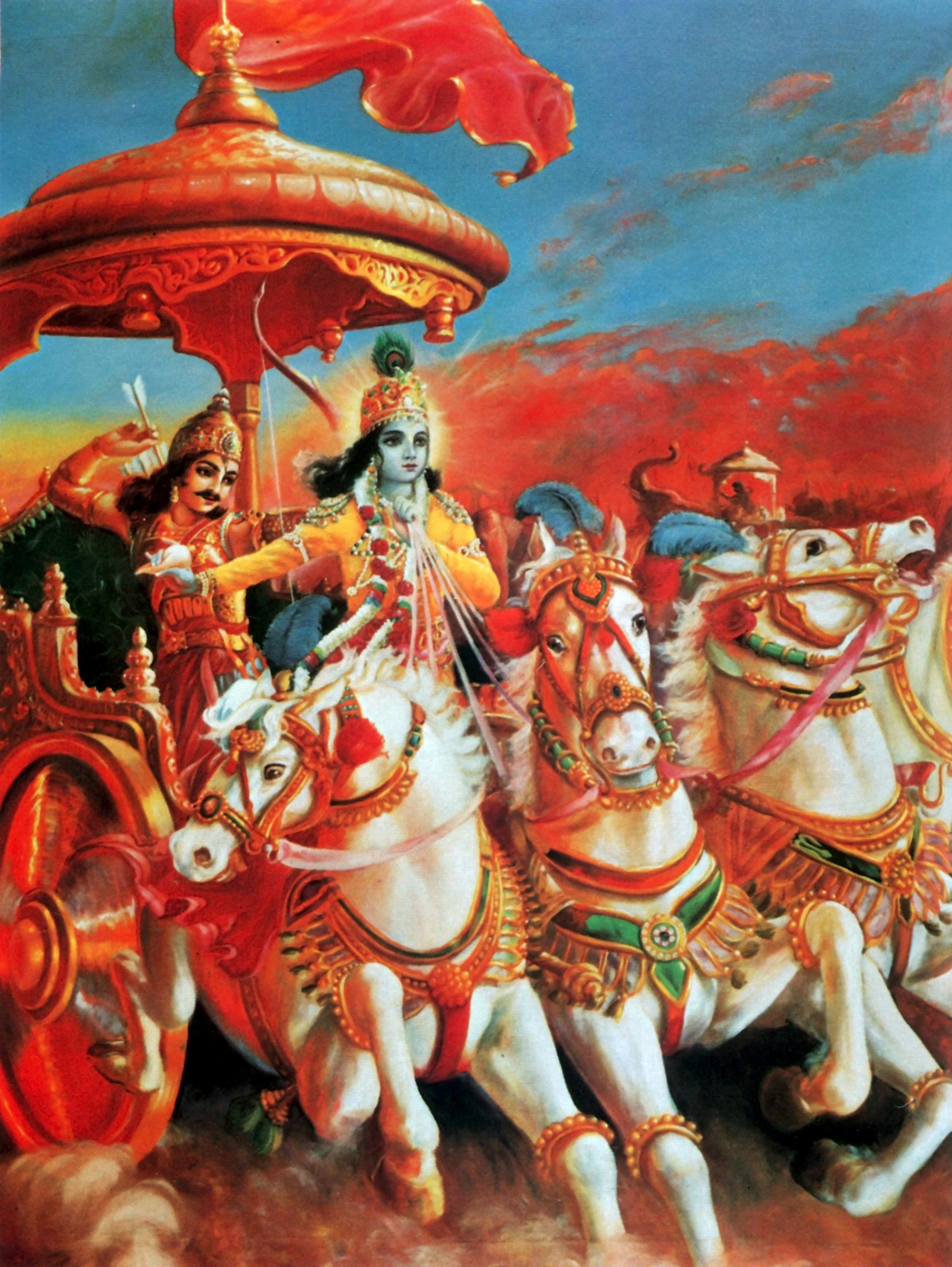
This article will explore the history and evolution of bhakti yoga and its place
in Hinduism. It will discuss how bhakti yoga has been practiced for centuries
and how it remains popular today.
Bhakti yoga has its roots in Hindu tradition and is closely related to the
devotional traditions of Hinduism. It has been an integral part of Hinduism for
centuries and is still widely practiced today. The earliest known references to
bhakti yoga are found in ancient Hindu scriptures, such as the Bhagavad Gita and
the Upanishads. In these texts, the practice of bhakti yoga is described as a
way to connect with the divine and cultivate love and devotion to God.
Throughout history, bhakti yoga has been a popular practice in India and other
countries where Hinduism is practiced. This practice has been used by religious
figures, such as saints and yogis, to achieve spiritual enlightenment. It has
also been used by ordinary people seeking to deepen their spiritual connection
with the divine.
In the modern era, bhakti yoga has become increasingly popular in the West. It
is now practiced regularly in many countries, such as the United States, Canada
and Europe. This popularity has been fueled by the growth of yoga in the West
and the growing interest in Hinduism as a spiritual tradition.
The practice of bhakti yoga involves the use of yoga postures, breathing
techniques and meditation to help the practitioner achieve his spiritual goals.
It also includes the practice of selfless service and compassion. Bhakti yoga
practitioners believe that by serving others, they will be serving God and will
be able to connect with the divine in a deeper and more meaningful way. This
practice of selfless service is often called "seva."
The main goal of bhakti yoga is to cultivate love and devotion to God, which is
usually done through meditation and prayer. This practice helps the practitioner
become more aware of the divine presence and develop a deeper connection with
the divine.
Throughout history, bhakti yoga has been used by religious figures, such as
saints and yogis, to achieve spiritual enlightenment. It has also been used by
ordinary people seeking to deepen their spiritual connection with the divine.
Additionally, it has been used as a tool to encourage compassion and selfless
service.
The practice of bhakti yoga has been adopted by many Hindu sects, such as the
Vaishnavas, the Smartas and the Shaktas. In these sects the importance of
cultivating love and devotion to God through the practice of bhakti yoga is
emphasized.
In the modern era, bhakti yoga has become increasingly popular in the West. It
is currently practiced regularly in many countries, such as the United States,
Canada and Europe. This popularity has been fueled by the growth of yoga in the
West and the growing interest in Hinduism as a spiritual tradition.
The practice of bhakti yoga has also been adopted by many modern spiritual
teachers, such as Swami Vivekananda, Sri Chinmoy and Amma. These teachers have
helped spread the practice of bhakti yoga to a wider audience and made it
accessible to people from all walks of life.
Bhakti yoga is a powerful practice that has been used for centuries to connect
with the divine and achieve spiritual enlightenment. It is a form of yoga that
focuses on cultivating love and devotion to God through prayer, meditation, and
other spiritual practices. It is believed that by dedicating yourself to God you
can reach a higher level of consciousness and inner peace. The practice of
bhakti yoga has its roots in Hinduism and is closely related to its devotional
traditions. As such, it has been an integral part of Hinduism for centuries and
remains popular today.
The practice of bhakti yoga is one of the oldest forms of yoga, tracing its
roots to the Vedic texts of India. Dating back more than five thousand years,
these texts describe the practice of bhakti yoga as a path to enlightenment and
self-realization. Over time, the practice of bhakti yoga has developed and
evolved, becoming a popular practice throughout the world.
Bhakti yoga has its origins in the ancient religious traditions of India. It is
a practice that focuses on the cultivation and expression of love and devotion
to a higher power. The main goal of the practice is to connect with the Divine
and cultivate a loving relationship with God. Through regular practice, a bhakti
yoga devotee can experience a deep sense of connection and joy.
Although bhakti yoga is often associated with Hinduism, it is a practice open to
people of all faiths. It is a practice that encourages its practitioners to
develop an intimate relationship with the Divine, as well as to develop a
relationship with a teacher or guru. Through regular practice, a devotee of
bhakti yoga can experience a deep sense of connection and joy, and achieve a
state of inner peace and harmony.
The practice of bhakti yoga has evolved over time. At first, it was mainly
practiced by monks and ascetics who dedicated their lives to it. Over time,
however, it has become more accessible, and practitioners of all ages and
backgrounds can practice bhakti yoga.
In modern times, bhakti yoga has become increasingly popular, with practitioners
from all over the world. It is a practice that has been adapted to the
individual needs and preferences of each practitioner, making it accessible to
people of all ages and abilities.
In addition to its spiritual aspects, bhakti yoga also encourages its
practitioners to live a life of service and compassion. This includes service to
others as well as service to Divinity. Practitioners of bhakti yoga are
encouraged to live a life of love, kindness and humility, and to practice
selfless service to the world.
The practice of bhakti yoga has become increasingly popular over the years, with
practitioners from all over the world. It is a practice open to people of all
faiths and backgrounds, and can be practiced by individuals of any age or
ability. Regular practice provides numerous benefits, such as greater mental
clarity, emotional stability and spiritual growth.
Bhakti yoga is an ancient practice that has been used for thousands of years as
a way to cultivate a deep connection with the Divine. It is a practice that has
evolved over time, becoming increasingly accessible to people of all ages and
backgrounds. Through regular practice, a bhakti yoga devotee can experience a
deep sense of connection and joy and can achieve a state of inner peace and
harmony.