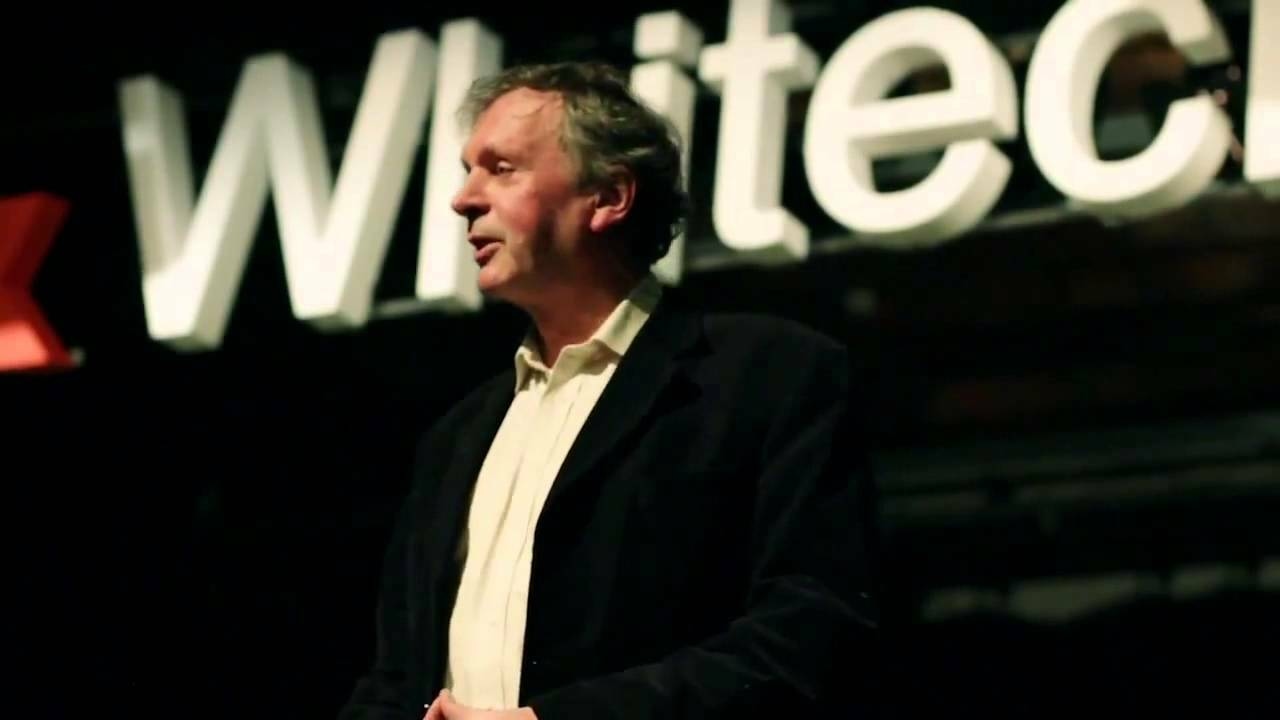
Dr. Rupert Sheldrake discusses ten scientific dogmas in his talk “The Science Delusion”, which he also elaborates on in his book. Here are the ten dogmas he mentions:
-
Nature is Mechanical:
- The assumption that the natural world operates like a machine and that living beings, including humans, are like machines.
-
Matter is Unconscious:
- The belief that all matter in the universe is devoid of consciousness, and thus, even life forms, including humans, do not truly possess consciousness.
-
Laws of Nature are Fixed:
- The idea that the laws governing nature are constant and unchanging since the Big Bang.
-
Total Amount of Matter and Energy is Constant:
- The principle that the total quantity of matter and energy in the universe remains unchanged, with the exception of the moment of the Big Bang.
-
Nature has No Purpose:
- The claim that evolutionary and natural processes have no inherent purpose or direction.
-
Biological Inheritance is Material:
- The assertion that all traits and behaviors are inherited through physical genes and genetic mutations.
-
Memories are Stored as Material Traces:
- The belief that memories are stored physically in the brain as tangible traces or imprints Drs theories in a few `pints`.
-
Mind is in the Brain:
- The tenet that all mental processes and consciousness are confined within the structure of the brain.
-
Psychic Phenomena like Telepathy are Impossible:
- The conviction that phenomena such as telepathy or extrasensory perception are not real, as the mind cannot influence or be influenced by external thoughts or intentions.
-
Mechanistic Medicine is the Only Kind that Works:
- The belief that conventional, mechanistic approaches to medicine are the only valid and effective treatments, dismissing alternative or complementary methods as placebo effects or unproven.
These points form the basis of Sheldrake’s critique of the scientific materialism that he argues predominates modern scientific thinking, urging for a more open and less dogmatic approach to scientific inquiry.
Dr’s teories
Dr. Rupert Sheldrake’s theories challenge conventional scientific paradigms by proposing alternative explanations based on his concept of “morphic resonance.” Here’s a summary:
Morphic Resonance
Morphic resonance is the hypothesis that natural systems, such as cells, organisms, and societies, inherit a collective memory from previous systems. It suggests that patterns of activity in the universe are influenced by similar patterns from the past, and this resonance facilitates the shaping of behavior and development.
Key Principles:
-
Memory in Nature
- Life forms and natural systems inherit a collective memory from previous similar systems. This contrasts with the materialist view that inheritance is purely genetic.
-
Non-Local Memory
- Memories and learned behaviors across a species can influence others regardless of distance, implying that memory is not solely stored in the brain but distributed more broadly.
-
Self-Organizing Systems
- Systems are self-organizing and guided by fields known as “morphic fields”. These fields serve as blueprints or templates for form and behavior, suggesting that physical and biological forms are built upon non-material organizing principles.
Applications and Implications:
-
Biology and Development:
- Sheldrake’s theories suggest that organisms develop by tuning into the collective memory of their species, explaining phenomena like instinctual behaviors and rapid evolutionary changes.
-
Psychic Phenomena:
- He posits that phenomena such as telepathy and the sense of being stared at can be explained by morphic resonance, where patterns of thought and awareness can influence others at a distance.
-
Challenging Scientific Dogmas:
- Sheldrake identifies ten scientific dogmas he believes limit scientific progress. By questioning these dogmas, he suggests we can foster new avenues of research that could lead to revolutionary discoveries.
In summary, Dr. Sheldrake’s theories encourage a more open-minded approach to scientific inquiry, proposing that understanding memory and development in nature might require looking beyond conventional material explanations and considering broader, non-material fields of influence.